
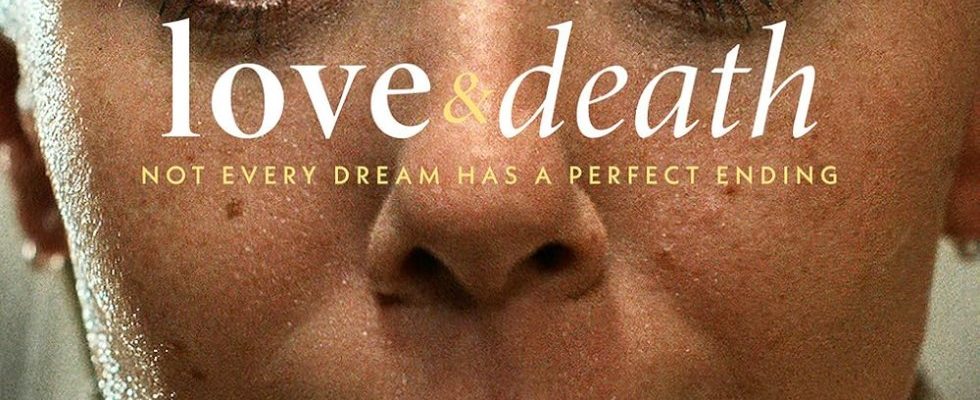
Hello, everyone! I hope you’re doing well. Today, I’m excited to delve into the gripping drama Love & Death, a series that unravels one of the most haunting true crime narratives ever depicted on screen. Set against the backdrop of suburban Texas, this HBO limited series captures how the most shocking acts of violence can occur in the most ordinary of places, transforming everyday life into a gripping psychological thriller.
Advertisements
Premiering on HBO Max on April 27, 2023, Love & Death consists of seven episodes, each running for about 54 minutes. The initial release offered three episodes at once, followed by weekly installments culminating on May 25, 2023. Brought to life by David E. Kelley and featuring stellar performances from Elizabeth Olsen and Jesse Plemons, this series is based on the chilling true events chronicled in Texas Monthly articles and the book “Evidence of Love.”
What sets Love & Death apart from typical true crime shows that often sensationalize brutality is its nuanced exploration of how unremarkable individuals can commit extraordinary acts of violence. The series intricately dissects the psychological landscape of suburban existence, exploring themes of marital dissatisfaction and the perilous intersection of desire and desperation. Each episode carefully builds suspense while honoring the real individuals whose lives were irrevocably altered by these tragic events.
A Secret Affair with Dire Consequences
Set in the 1980s in Wylie, Texas, the narrative centers around Candy Montgomery and Allan Gore, two married churchgoers whose clandestine affair spirals into disaster. The storyline probes how a housewife’s quest for excitement leads to a relationship that devastates families. The compelling premise is heightened by its exploration of how seemingly inconsequential choices can lead to catastrophic outcomes.
The genius of Love & Death is its avoidance of easy solutions or simplistic narratives. It lays bare the complexities of human relationships and the treacherous paths that emerge when individuals attempt to compartmentalize their lives. The gradual development of the affair allows viewers to grasp the emotional underpinning that drives increasingly reckless actions. Each episode unveils additional layers of the characters’ motivations, creating a psychological landscape that is both captivating and unsettling.
Candy Montgomery: The Facade of Perfection
In a career-defining role, Elizabeth Olsen portrays Candy Montgomery, a woman whose seemingly joyful demeanor hides a profound dissatisfaction with her conventional life. Olsen excels in presenting a multidimensional character who could easily fall into the stereotype of a villain, instead revealing a complex individual whose choices are motivated by genuine emotional needs and the stifling nature of suburban life. Her performance evokes both empathy and fear, illustrating how ordinary people can cross unimaginable lines.
Candy’s transformation is intricately depicted, showing her evolution from a devoted mother and church member to someone capable of shocking brutality. Olsen captures her journey from the thrill of infidelity to the desperate grasp for control as everything collapses. The performance maintains a delicate balance, never casting judgment on Candy while simultaneously refusing to excuse her actions, thereby crafting a complex portrait of a woman whose life spirals beyond her management.
Allan Gore: The Torn Married Man
Jesse Plemons embodies Allan Gore, revealing depth in a character who epitomizes the conflicted husband, caught between family obligations and an intense infatuation with Candy. Plemons skillfully navigates Allan’s vulnerability and selfishness, showcasing how his emotional shortcomings contribute to the unfolding tragedy.
The chemistry between Olsen and Plemons propels the narrative, crafting a relationship that is both passionate and ultimately destructive. Their affair is not idealized; rather, it depicts a clash of two individuals seeking refuge from their respective discontent. Plemons adeptly illustrates Allan’s internal struggle as he grapples with the repercussions of his choices while feeling powerless to halt the momentum he has instigated.
The Explosive Confrontation: Betty Gore’s Fate
The series culminates in a heart-wrenching moment when Betty Gore confronts Candy about the affair, leading to a violent encounter that results in Betty’s death from 41 axe wounds. This pivotal scene exemplifies the show’s psychological complexity, exploring how a confrontation between two women can escalate into unimaginable violence. The climax refrains from exploiting brutality, instead focusing on the emotional tipping point that transforms a verbal altercation into a life-altering tragedy.
This intense confrontation powerfully illustrates the unpredictability of human behavior under extreme duress. The series suggests that even ordinary individuals can be pushed to commit shocking acts of violence when faced with overwhelming emotional strain. The aftermath of this confrontation explores the repercussions not only for Candy but also for the entire community grappling with the realization that such violence can arise from within their midst.
Supporting Characters: Reflecting Community Dynamics
The series boasts strong supporting performances from Lily Rabe as Betty Gore, Patrick Fugit as Pat Montgomery, and Krysten Ritter as Sherry Cleckler. These characters enrich the narrative, representing the wider community entangled in the scandal. Each supporting role adds layers to the depiction of 1980s suburban Texas, illustrating how close-knit communities navigate secrets and tragedy.
The church community serves as a vital backdrop, underscoring the disparity between public morality and private actions. These supporting characters illuminate the societal pressures and expectations that prompt the main characters to seek excitement and connection beyond their marriages. Their responses to the unfolding scandal enhance the authenticity of the storytelling.
HBO’s Triumph: Redefining True Crime
Love & Death debuted with seven episodes on HBO Max, receiving widespread critical praise for its sophisticated approach to true crime storytelling. The series distinguishes itself from typical true crime narratives by prioritizing psychological depth over sensationalism. HBO audiences have embraced the show, particularly appreciating Elizabeth Olsen’s remarkable performance and the respectful handling of a real tragedy that continues to captivate viewers even after four decades.
The show’s success underscores HBO’s dedication to high-quality true crime content that honors real stories with the seriousness they deserve while delivering engaging television. Love & Death exemplifies that true crime narratives can be both entertaining and ethically mindful, creating viewing experiences that respect the complexity of genuine human tragedy.
Why You Should Watch Love & Death
If you appreciate psychological thrillers, true crime narratives that honor their subjects, and performances that reveal the intricacies of human nature, then Love & Death is a must-watch series on HBO. This limited series not only recounts a shocking tale but also delves into the psychological and societal dynamics that can transform ordinary individuals into sensational news.
Tags: true crime, psychological thriller, suburban drama, limited series, Elizabeth Olsen
An Essential Study in True Crime Storytelling
Love & Death triumphs by treating its real-life tragedy with the depth it warrants. Rather than sensationalizing shocking elements for mere entertainment, the series crafts a nuanced exploration of how desire, ennui, and desperation can lead to unfathomable consequences, making it vital viewing for anyone eager to comprehend the darker facets of human behavior.
Series Overview
Number of Episodes: 7
Platform: HBO Max
Release Year: 2023
IMDb Rating: 7.5
Genre: True Crime, Drama, Psychological Thriller
Status: Completed (Limited Series)
Main Characters: Elizabeth Olsen (Candy Montgomery), Jesse Plemons (Allan Gore), Lily Rabe (Betty Gore), Patrick Fugit (Pat Montgomery)
Antagonist: The psychological pressures and moral dilemmas within suburban relationships