
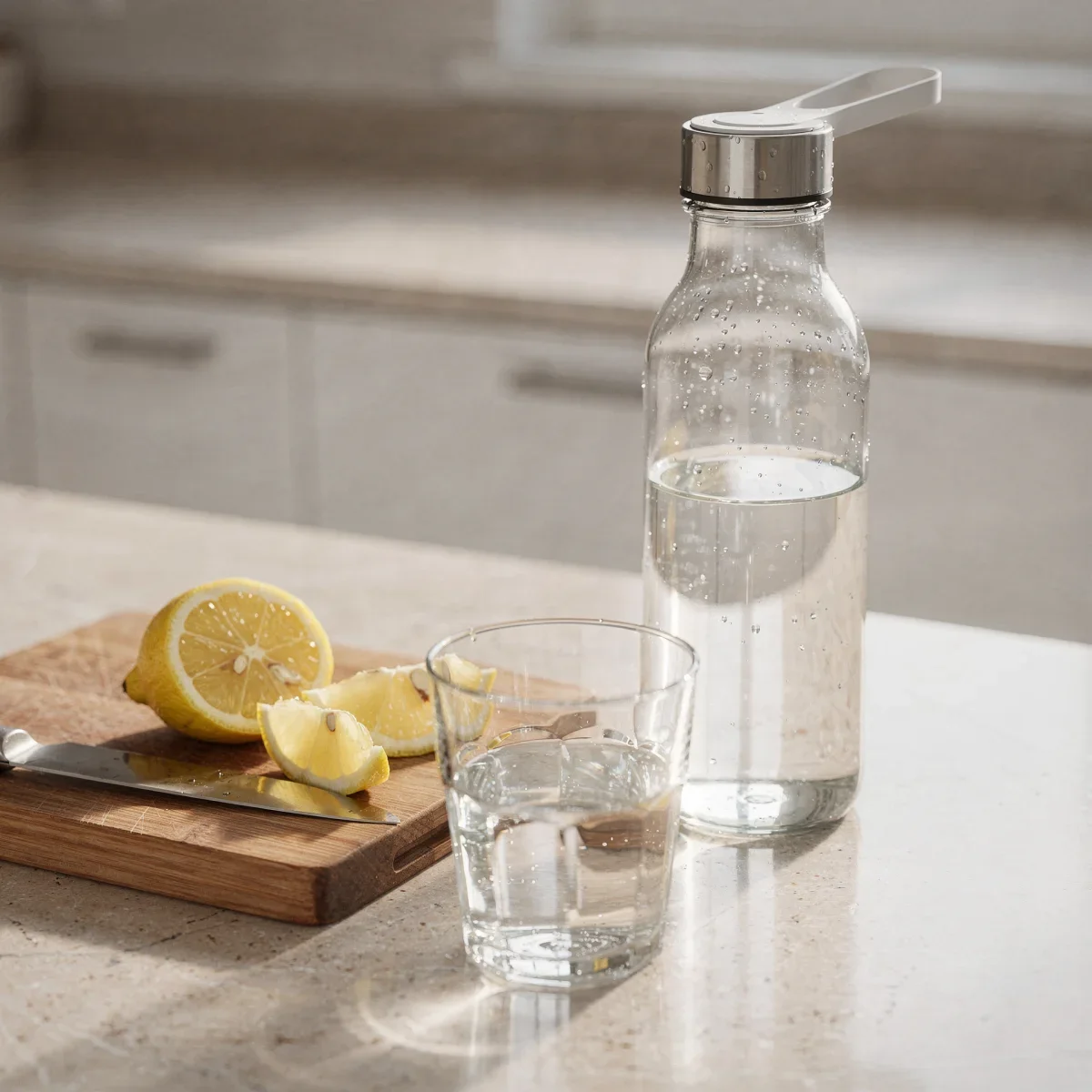
Staying adequately hydrated sounds simple, yet many of us reach late afternoon with dry lips, low energy, and a headache. If you struggle to drink enough water throughout your busy day, learning how to create a basic hydration habit can make a noticeable difference in how you feel from morning to night. Here is a practical, step-by-step approach to staying hydrated without constantly obsessing over ounces.
Advertisements
1. Anchor Water to Your Existing Daily Routine
The easiest way to build a new habit is through habit stacking, a technique where you pair a new behavior with an established routine. Rather than trying to remember to drink water at random moments, link a glass of water directly to actions you already perform every single day without fail.
- The Morning Wake-Up: Drink one 8-ounce glass of water right after brushing your teeth in the morning.
- The Coffee Rule: Finish a full glass of water before pouring your first cup of coffee or tea.
- The Work Transition: Refill your water cup every time you stand up from your desk for a restroom break or a meeting.
- The Bedtime Reset: Take a few sips of room-temperature water as part of your evening wind-down routine.
2. Keep Water Visible and Accessible
Out of sight usually means out of mind. If your water bottle sits buried in a backpack or tucked away in a cabinet, you are much less likely to drink from it consistently. Visual cues serve as frictionless reminders throughout your workday.
Pick up a dedicated reusable bottle that you actually enjoy using. Popular insulated options from brands like Hydro Flask, Stanley, or Simple Modern keep water cold for hours at your desk. Keep your bottle filled and placed directly next to your computer keyboard or in your car's cup holder so sipping becomes an automatic reflex.
3. Find Your Ideal Daily Baseline
General recommendations from groups like the National Academies of Sciences, Engineering, and Medicine suggest around 9 to 13 cups of fluid per day for adults, depending on sex, activity level, and climate. You do not need to hit an exact target on day one; instead, aim for steady consistency.
| Time of Day | Target Amount | Simple Cue |
|---|---|---|
| Morning (7:00 AM – 11:00 AM) | 16–24 oz | Drink alongside breakfast and morning coffee |
| Midday (11:00 AM – 3:00 PM) | 20–32 oz | Keep bottle on desk during peak work hours |
| Late Afternoon (3:00 PM – 7:00 PM) | 16–24 oz | Sip during commute or evening meal prep |
4. Make Plain Water More Enjoyable
If you find plain tap water boring, minor adjustments can help you drink more without adding spoonfuls of sugar. A few simple additions can keep your routine interesting:
- Fresh Fruit Infusions: Add lemon slices, crushed strawberries, cucumber rounds, or fresh mint to a pitcher in your refrigerator.
- Herbal Teas: Unsweetened iced hibiscus, chamomile, or peppermint tea counts toward your daily fluid intake.
- Temperature Adjustments: Some people prefer ice-cold water through a straw, while others find room-temperature water much easier to drink quickly. Experiment to see what feels best for you.
Quick Takeaways
- Stack your habits: Pair drinking water with regular moments like waking up, brewing coffee, or sitting down to work.
- Keep it visible: Place a dedicated water bottle in your direct line of sight to trigger regular sips.
- Focus on steady progress: Start by adding one or two extra glasses each day rather than forcing an overwhelming intake target.
Frequently Asked Questions
Do coffee and tea count toward daily hydration?
Yes. Moderate consumption of caffeinated drinks like coffee and tea contributes to your overall daily fluid intake, though plain water should still serve as your primary source throughout the day.
How can I tell if I am adequately hydrated?
The simplest indicator is urine color. Pale straw or light yellow suggests good hydration, whereas dark amber indicates you should drink more water across the next several hours.
Should I drink a gallon of water every day?
Not necessarily. Most people do not need a full gallon unless they are exercising vigorously in high heat. Drinking to quench thirst and keeping your urine light yellow is a practical benchmark.
Building Long-Term Success
Establishing a reliable basic hydration habit comes down to setting small, friction-free routines rather than forcing sudden changes. Start tomorrow morning with a single glass of water next to your coffee maker, track how your energy levels improve, and build steadily from there.
This article is for informational purposes only and is not a substitute for professional medical advice. Talk to your doctor before making changes to your health routine.