
An Insightful Look into Modern Japanese Family Life
Advertisements
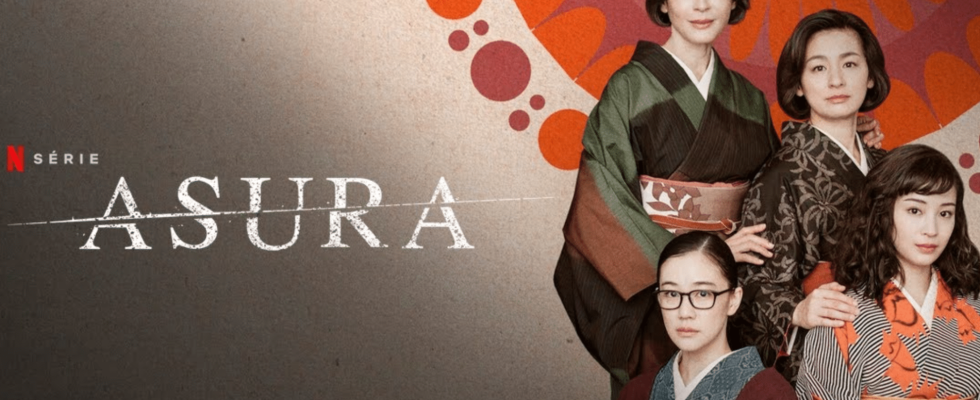
Hirokazu Kore-eda’s “Asura” stands as another poignant exploration from the renowned Japanese director, delving into the intricate dynamics of familial relationships. Centered around four sisters whose world is turned upside down by their father’s infidelity, the film invites a deep examination of the foundational elements that sustain family ties.
Crafting the Story
The narrative unfolds with Kore-eda’s signature precision, as he intricately develops each character, revealing their complexities gradually. Rather than serving merely as a plot twist, the revelation of paternal betrayal prompts profound inquiries into themes of trust, forgiveness, and the evolving definitions of familial love. Each sibling’s distinct response offers insights into varied personality traits and life stages.
Visual Storytelling and Direction
Kore-eda employs a contemplative and naturalistic visual style, utilizing extended shots and thoughtfully arranged scenes that highlight subtle gestures and meaningful silences. His camera behaves like an additional family member, capturing intimate exchanges while maintaining a respectful distance. The soft hues and understated color palette evoke a sense of gentle melancholy, a hallmark of his filmmaking.
Exploration of Core Themes
The narrative transcends its initial betrayal to embrace broader themes surrounding human connections and familial loyalty. Loyalty is scrutinized from multiple angles: between partners, parent and child, and among siblings. Instead of offering simple solutions, the film portrays forgiveness as a nuanced and personal journey. Additionally, Kore-eda subtly highlights societal pressures on family structures in Japan and the contemporary role of women.
Character Portrayals and Performances
The performances are marked by authenticity, eschewing melodrama for genuine emotional resonance. Each sister is depicted with her own contradictions and motivations, transforming into relatable, multi-dimensional characters. Even the father, though absent, looms large in the daughters’ memories and interactions, infusing the film with his persistent presence.
Key Moments
The film’s greatest strength lies in its ability to elevate a seemingly ordinary scenario into a profound exploration of the human experience. Kore-eda refrains from offering simplistic moral conclusions, instead opting to reveal the intricate nature of human emotions with stark honesty. The steady build-up of emotional tension culminates in cathartic moments that feel organic and true to life.
Conclusion and Reflection
With “Asura”, Hirokazu Kore-eda solidifies his reputation for crafting family-centric narratives that resonate across cultures, revealing universal truths through a culturally specific lens. The film serves as both a detailed examination of a family in turmoil and a broader reflection on the ties that connect us all. It is a must-see for fans of modern Japanese cinema and those who appreciate stories that prioritize emotional depth over conventional plotting.
Through its sensitive direction, credible performances, and thoughtful engagement with complex themes, “Asura” adds to Kore-eda’s remarkable body of work, reinforcing his status as a profound observer of the human condition in contemporary cinema.