
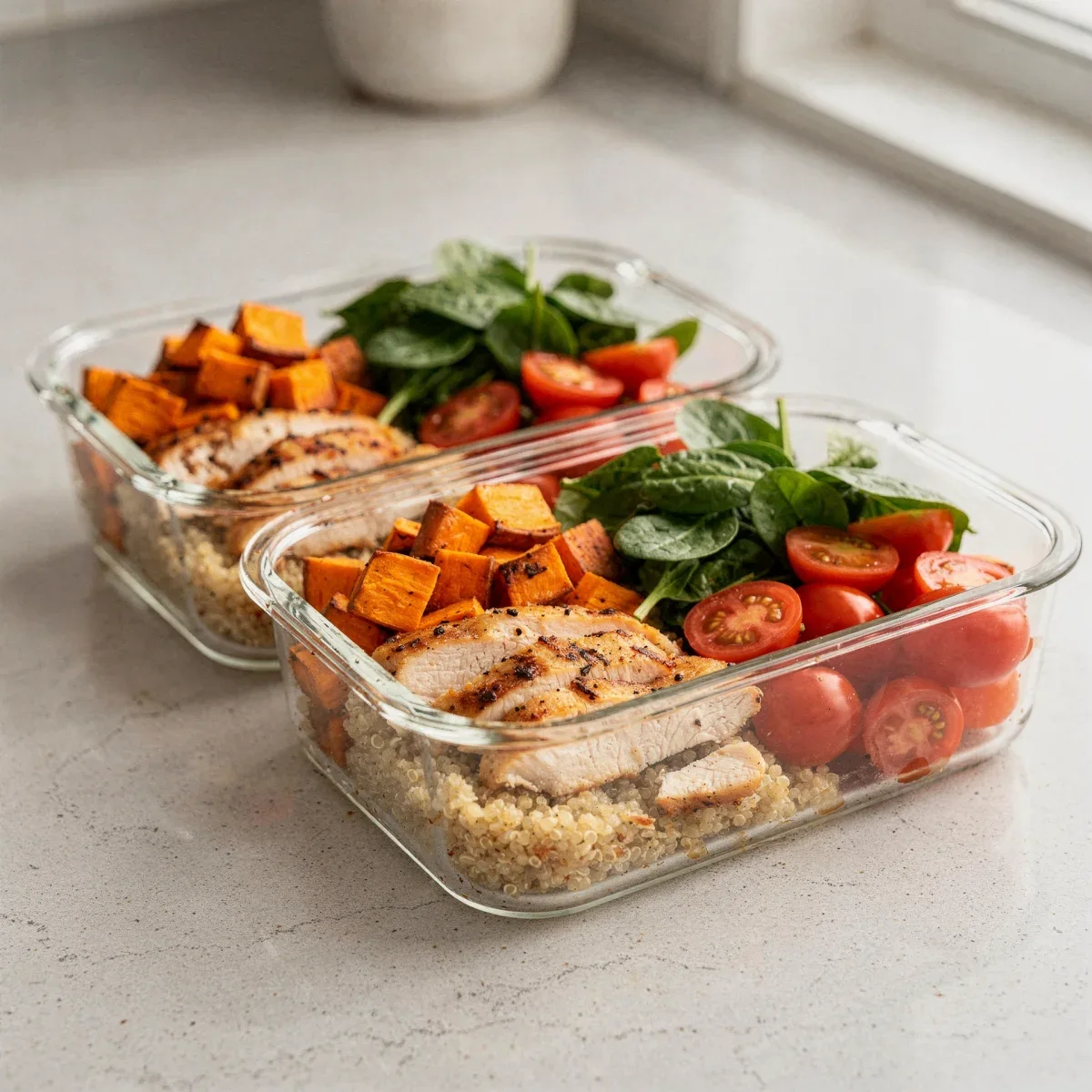
Staring into an empty refrigerator at noon often leads straight to expensive takeout orders or haphazard snacking. If you want to take control of your nutrition and cut down on weekday stress, learning how to assemble balanced, healthy prep lunches is one of the best habits you can build. With a clear plan and an hour or two on the weekend, you can set yourself up with vibrant, energizing meals that keep you full all afternoon.
Advertisements
The Blueprint for a Satisfying Make-Ahead Lunch
A lunch that leaves you hungry an hour later is a lunch that failed its mission. To build lasting energy and avoid the dreaded afternoon slump, structure your meals around three core components:
- Lean Protein: Aim for 20 to 30 grams per serving. Great options include grilled chicken breast, canned wild tuna or salmon, hard-boiled eggs, extra-firm tofu, lentils, and edamame.
- Complex Carbohydrates and Fiber: Choose carbs that digest slowly, such as quinoa, brown rice, farro, roasted sweet potatoes, or whole-wheat pita pockets.
- Healthy Fats and Micronutrients: Incorporate avocado, extra virgin olive oil vinaigrettes, pumpkin seeds, walnuts, and at least two generous handfuls of colorful vegetables like bell peppers, cucumbers, and kale.
Choose Your Meal Prep Style
Not everyone enjoys eating the exact same meal four days in a row. Finding a routine that fits your lifestyle makes the difference between sticking with the habit and abandoning it by Wednesday.
| Prep Method | Best For | Time Required |
|---|---|---|
| Batch Cooking | Those who want grab-and-go convenience and do not mind repetition. | 60–90 minutes once a week |
| Component Prepping | People who crave daily variety and like mixing different bowls. | 45–60 minutes once a week |
| Dinner Plus One | Busy schedules with minimal dedicated prep time on weekends. | 10 extra minutes each evening |
Smart Food Safety and Storage Tips
Proper storage is essential when you make healthy prep lunches ahead of time. Invest in high-quality airtight glass containers, such as Pyrex or Snapware sets available at Target or Amazon. Glass keeps ingredients fresher, does not absorb odors, and transitions seamlessly from fridge to microwave.
Follow standard USDA food safety guidance: consume cooked poultry, meats, and seafood within three to four days of refrigeration. If you want meals for Thursday and Friday, freeze portions on Sunday and move them to the fridge on Wednesday evening to thaw safely. Always pack wet items like dressings, sauces, and dips in separate small containers to prevent leafy greens and grains from becoming soggy.
Easy Mix-and-Match Formula
You do not need complicated recipes to eat well. Pick one item from each column to build your lunch rotation for the week:
- Base: Arugula, baby spinach, roasted sweet potato cubes, or cooked quinoa.
- Protein: Baked herb tofu, shredded rotisserie chicken, black beans, or turkey breast.
- Crunch & Color: Shredded carrots, sliced cucumbers, roasted broccoli, or cherry tomatoes.
- Flavor Booster: Lemon tahini dressing, salsa verde, chimichurri, or balsamic glaze.
Quick Takeaways
- Balance every lunch container with a solid source of lean protein, fiber-rich carbs, and colorful produce.
- Use airtight glass storage containers and pack dressings separately to keep ingredients crisp and fresh.
- Stick to the three-to-four-day refrigeration rule, or freeze late-week portions to maintain food safety.
Frequently Asked Questions
How do I keep meal prep salads from getting soggy?
Layer wet ingredients at the bottom of a mason jar, follow with grains and proteins, and place delicate greens at the top. Alternatively, keep your dressing in a separate small container until serving.
How many days in advance can I safely prep meals?
Most cooked proteins, grains, and roasted vegetables stay fresh in the refrigerator for three to four days. For meals eaten later in the week, freeze portions immediately and thaw them overnight.
Can I freeze prepped lunches?
Yes, dishes like chili, grain bowls, cooked shredded chicken, and hearty soups freeze exceptionally well. Avoid freezing raw watery vegetables like lettuce, cucumbers, or whole tomatoes, which turn mushy upon thawing.
Start Your Lunch Routine This Week
Planning nutritious healthy prep lunches takes the guesswork out of midday eating, protects your grocery budget, and fuels your afternoons with steady energy. Choose two simple combinations, pick up your ingredients on your next shopping trip, and enjoy the convenience of ready-to-eat meals all week long.
This article is for informational purposes only and is not a substitute for professional medical advice. Talk to your doctor before making changes to your health routine.