
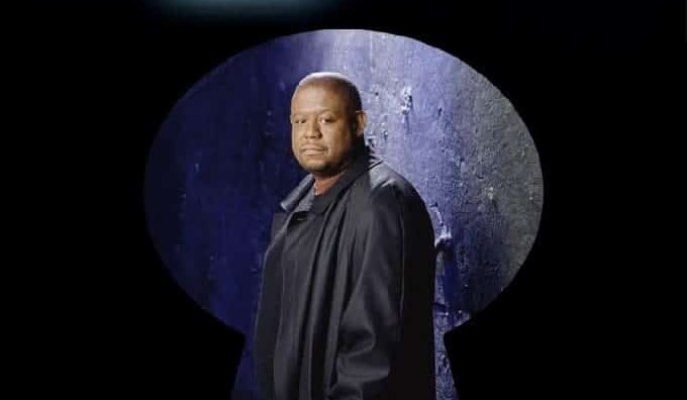
Hello, fabulous readers! Ready to dive into a universe that bends reality? Today, we’re unraveling the anthology series The Twilight Zone, which dares to blend Jordan Peele’s quirky imagination with the classic sci-fi tapestry, delivering tales that resonate with our current existential dread.
Advertisements
The Twilight Zone springs from the creative minds of Simon Kinberg, Jordan Peele, and Marco Ramirez, taking roots from the revered original 1959 series breathed to life by Rod Serling. It kicked off its eerie journey on April 1, 2019, via CBS All Access (now known as Paramount+), spanning over two seasons with a total of 20 episodes, each ticking away between 42 and 58 minutes. Peele not only narrates but also produces it through his Monkeypaw Productions, steering this cosmic ship.
Continuing the original’s legacy, this reboot showcases standalone narratives that dissect the human condition—our desires, fears, biases, and virtues—through lenses tinted with science fiction, fantasy, and psychological horror. What sets this rendition apart is Peele’s modern lens, tackling contemporary issues like social media frenzies, racial strife, and our growing addiction to technology, all while maintaining that philosophical flavor that made Serling’s version legendary.
The Twilight Zone cleverly captures the original’s unsettling aura while giving it a contemporary twist. Each episode operates like a morality play cloaked in genre attire, utilizing supernatural and sci-fi vibes to probe into very human dilemmas and societal challenges.
Modern Morality Plays: Classic Style Meets Today’s Fears
The anthology style grants The Twilight Zone the freedom to explore a plethora of themes—from tech-induced horrors to narratives of social justice. For instance, “The Comedian” unpacks the toll of fame on artistic integrity, while “Replay” plays with time to shed light on issues of racial profiling and police brutality. It maintains the original’s penchant for shocking conclusions and moral lessons while mirroring today’s anxieties.
Every episode stands on its own, allowing viewers to tune in at any point while weaving a broader commentary on the state of today’s world. The series shines especially when it employs familiar Twilight Zone themes reimagined for the digital age, crafting scenarios that are both nostalgic and urgently relevant.
Jordan Peele: The Ideal Narrator and Visionary
Taking up the mantle of Rod Serling, Jordan Peele lends his unique voice and perspective to the series. Fresh from his triumphs with “Get Out” and “Us,” Peele proves to be the perfect heir to Serling’s throne, echoing the original creator’s knack for utilizing genre fiction to interrogate societal issues.
Peele’s narration captures the haunting yet contemplative vibe that made Serling’s introductions unforgettable, while his role as executive producer ensures thematic consistency in every episode. His blend of comedy and horror enriches the series, resulting in narratives that are as entertaining as they are deeply unsettling.
Highlight Episodes: New Classics and Nightmarish Tales
The series showcases stellar performances from notable guest stars like Kumail Nanjiani, Adam Scott, Sanaa Lathan, and Tracy Morgan. Episodes such as “USS Callister,” which bagged several Emmy accolades, reveal the series’ knack for drawing high-caliber talent and crafting compelling standalone stories.
“Nightmare at 30,000 Feet,” a fresh take on the classic “Nightmare at 20,000 Feet,” exemplifies both the potential and hurdles of reimagining beloved episodes for today’s viewer. The show succeeds best when it crafts completely new narratives instead of attempting to replicate timeless classics.
Societal Reflections: When Horror Mirrors Reality
The series hits its stride when employing supernatural allegories to confront real-world dilemmas. Episodes that delve into racial dynamics, gender issues, and social media obsessions showcase how the Twilight Zone format can shine a light on modern problems. However, some episodes tend to prioritize messaging over narrative finesse.
Peele’s willingness to tackle challenging topics mirrors Serling’s tradition of using genre fiction as a safe space for social commentary. The outcomes can vary from brilliant to heavy-handed, yet they always provoke thought.
Star-Studded Cast and Top-Notch Production
The series enjoys robust production values and impressive guest performances that inject seriousness into the anthology format. The visual effects and cinematography create a suitably eerie ambiance that pays respect to the original while feeling fresh and modern.
Supporting characters and ensemble pieces shine brightest when they focus on universal human experiences rather than getting bogged down in specific contemporary issues. The show excels at crafting memorable characters, even within the confines of self-contained episodes.
The Paramount+ Experience: A Mixed Bag
The Twilight Zone faced a divided reception from critics and audiences, garnering applause for Peele’s vision and standout episodes, but also criticism for uneven quality and overt social themes. IMDb ratings varied from over 7.0 on some episodes to below 6.0 on others. Despite its strong production quality and impressive guest stars, the series was ultimately snuffed out after two seasons in February 2021. The Twilight Zone struggled to balance reverence for the original while crafting a contemporary identity, leading to episodes that oscillated between being magnificent and disappointing.
A Modern Take Worth Exploring Despite Flaws
For fans of anthology series that weave social insights with supernatural storytelling, The Twilight Zone offers a compelling watch on Paramount+. While it may have inconsistencies, the series boasts episodes that rank among the finest contemporary examples of the genre.
Why You Should Dive Into This Modern Twilight Zone
Pros:
- Jordan Peele injects a fresh vision and high production quality into this classic series.
- Many episodes succeed in revamping Twilight Zone staples for today’s audience.
- Outstanding guest performances elevate multiple episodes.
- Exceptional visual effects and cinematography craft an appropriately eerie environment.
- Addresses crucial social themes through genre storytelling.
Cons:
- Inconsistent quality with some episodes that don’t quite match the original series’ brilliance.
- Some episodes are so heavy on social commentary that they lack narrative subtlety.
- Direct remakes of classic episodes often struggle to capture the magic of the originals.
- Canceled after just two seasons, which limits its overall legacy.
- Mixed reactions suggest it didn’t quite capture the hearts of a broader audience.
The Twilight Zone stands as both a tribute to Rod Serling’s original masterpiece and a commentary on our current society, offering mind-bending entertainment even when some episodes miss the mark.
Series Overview
- Episode Count: 20 episodes across 2 completed seasons.
- Viewing Platform: Paramount+ (previously CBS All Access).
- Launch Year: 2019-2020 (canceled).
- Current IMDb Score: 6.1/10 (varies by episode).
- Genre: Science Fiction, Psychological Horror, Anthology.
- Production Type: Western series.
- Status: Canceled after 2 seasons in February 2021.
- Main Characters: Various guest stars in each episode (Kumail Nanjiani, Adam Scott, Sanaa Lathan, Tracy Morgan, etc.).
- Primary Antagonists: Varies by episode (societal themes, technology, human nature).