
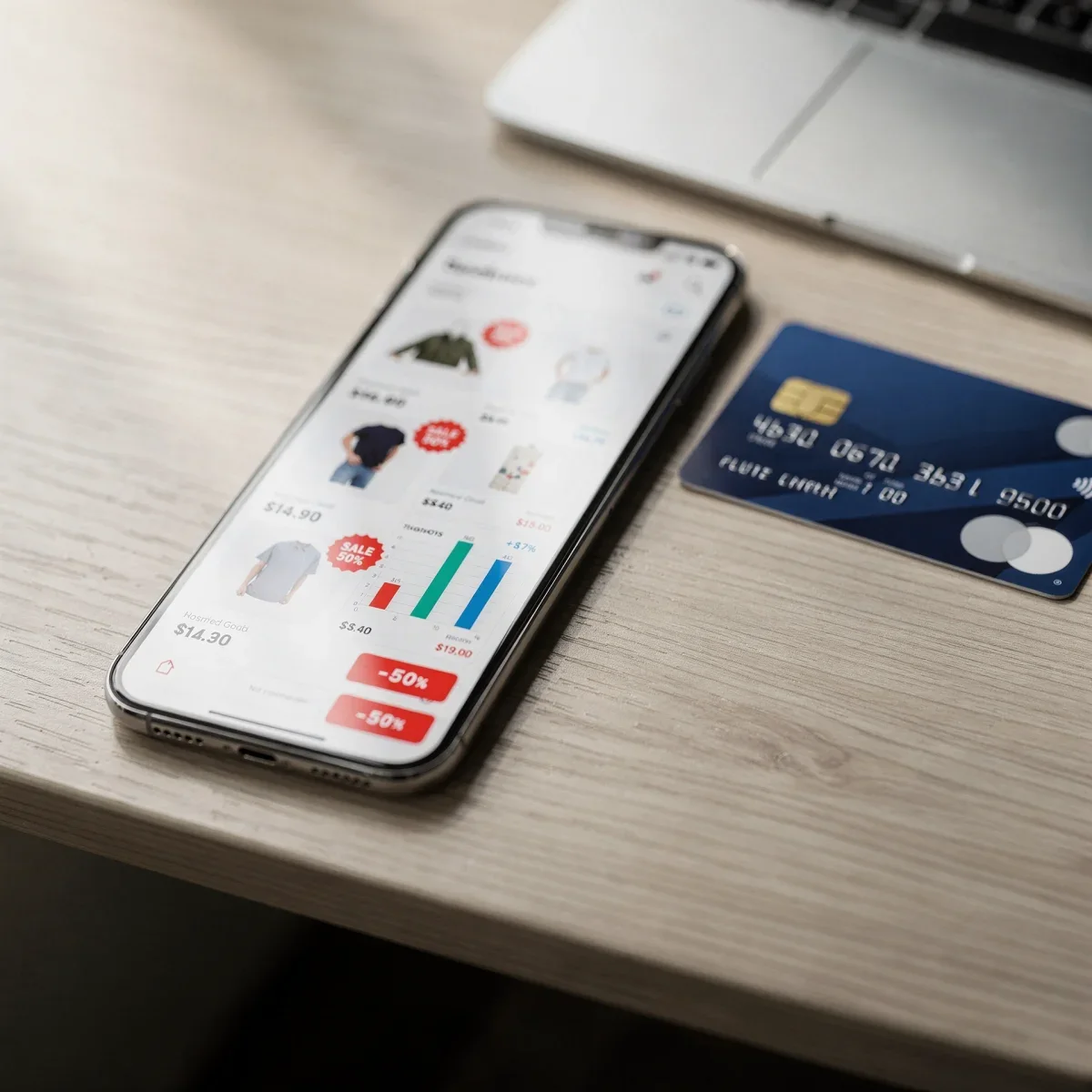
Seeing a bright red sale banner with 50% off creates an instant urge to buy. However, learning how to spot a fake discount is one of the most valuable skills you can develop as an online shopper. Many retailers inflate original list prices right before a promotional event, making standard retail prices look like massive bargains.
Advertisements
With major sales running throughout the year across platforms like Amazon, Target, and Walmart, artificial markdowns have become common practice. Understanding how retail pricing psychology works ensures you walk away with genuine savings rather than buyer's remorse.
Common Red Flags of an Artificial Markdown
Retailers rely on reference pricing to anchor your expectations. When you see a high crossed-out price, your brain assumes high value, even if the item was never sold at that initial rate.
- Inflated MSRPs: A store lists a manufacturer suggested retail price (MSRP) that is significantly higher than the average market rate across competing retailers.
- Constant Countdown Timers: Websites that feature ticking countdown clocks claiming a deal ends in minutes, only for the clock to reset upon refreshing the page.
- Permanent Clearance Banners: Products that remain perpetually marked down without ever returning to their listed regular price.
Essential Tools to Track Real Price History
The fastest way to verify a sale is to check what the item cost last week or last month. Browser extensions and tracking websites eliminate the guesswork by showing historical price fluctuations over time.
For Amazon purchases, tools like Camelcamelcamel and Keepa provide detailed price history charts so you can see if an item regularly drops to that level. For broader web shopping across stores like Best Buy and Home Depot, price monitoring extensions like Honey or Capital One Shopping alert you to historical highs and lows.
Real Deals vs. Misleading Discounts
Not all promotions are deceptive. Genuine clearances and seasonal inventory rollovers offer substantial value if you know what to look for.
| Feature | Genuine Deal | Fake Discount |
|---|---|---|
| Price History | At or near a 90-day historic low | List price artificially raised before the sale |
| Retailer Consistency | Competitors match or reflect the drop | Only one seller claims an exaggerated original price |
| Inventory Status | Discontinued or seasonal stock clearance | Standard inventory labeled with artificial urgency |
Smart Strategies to Protect Your Budget
Before completing any checkout, take two minutes to cross-reference the model number at two other major stores. If a TV is on sale at Best Buy, check its exact model code on Target and Walmart to see if the discount is unique or standard industry pricing.
Additionally, pay attention to unit pricing rather than package-level percentage claims, especially on groceries and household consumables. A bundle marked 30% off may still cost more per ounce than purchasing individual items at regular price.
Quick Takeaways
- Verify before buying: Always use price-history tools like Keepa or Camelcamelcamel to check the 90-day price trend.
- Ignore countdown timers: Artificial urgency is designed to prevent price comparisons across competing websites.
- Cross-check model numbers: Confirm that the discount reflects actual market-wide value rather than an inflated reference price.
Frequently Asked Questions
Are fake discounts legal in the United States?
The Federal Trade Commission (FTC) prohibits deceptive pricing practices, including fictitious former prices. However, enforcement varies, and third-party marketplace sellers often exploit regulatory gray areas.
Do price match guarantees protect against fake sales?
Yes. Major retailers like Target and Best Buy will match qualifying competitor prices on identical in-stock items, ensuring you pay the lowest verified market price.
How far back should I check an item's price history?
Reviewing 60 to 90 days of pricing history is usually enough to see seasonal trends and confirm whether a markdown is authentic.
Learning how to spot a fake discount empowers you to shop confidently and protect your hard-earned money. Bookmark your favorite price-tracking tools today and verify your cart before hitting buy on your next major purchase.