
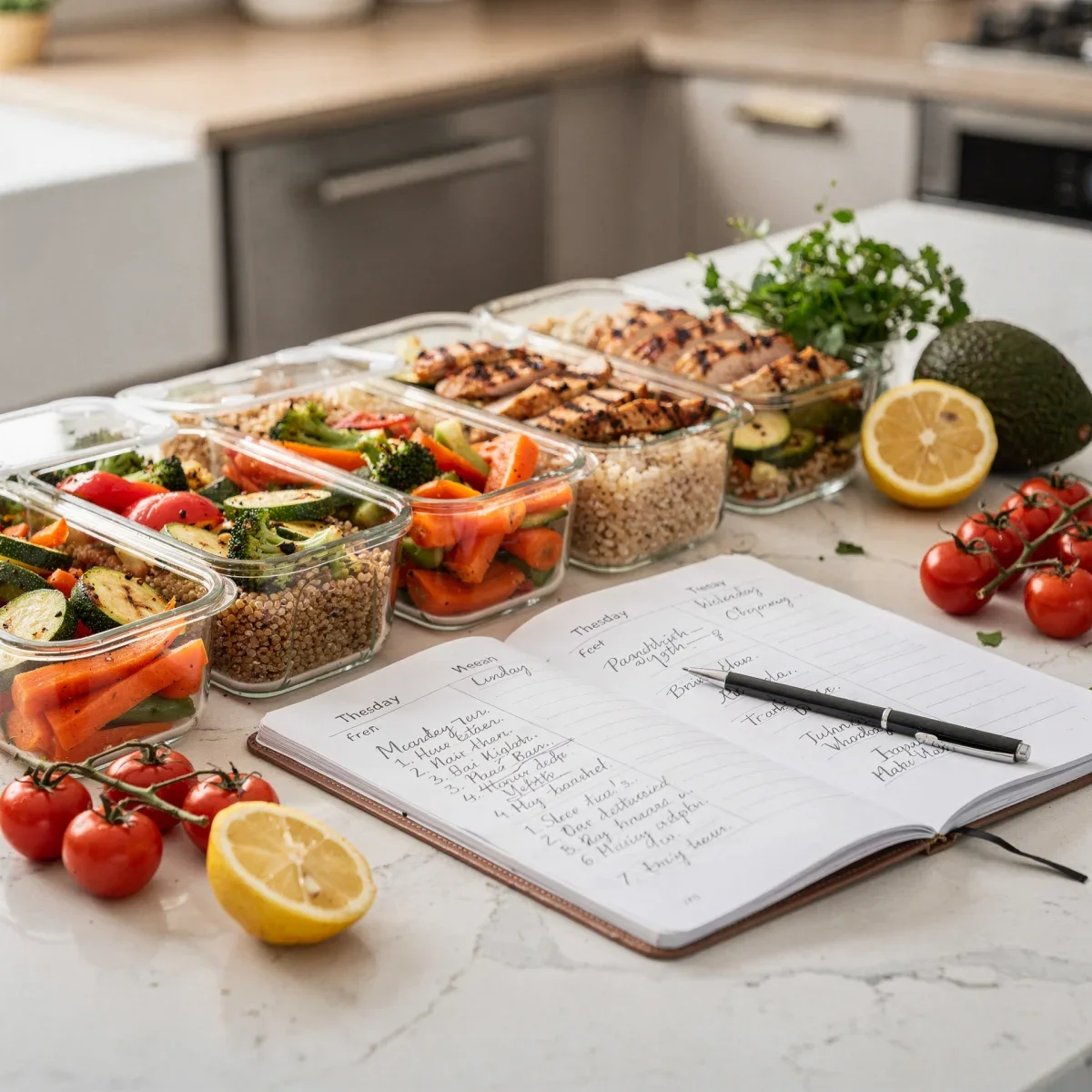
If you have felt a wave of sticker shock at checkout recently, you are definitely not alone. Between rising everyday prices and the frustrating habit of tossing out forgotten vegetables on Friday night, grocery trips can easily drain your monthly bank account. Learning how to stretch your grocery budget through realistic weekly meal planning is the single most reliable way to take back control of your spending without feeling deprived.
Advertisements
Meal planning is not about eating plain steamed chicken and rice out of identical plastic containers for five straight days. Instead, it is an organized, flexible routine that ensures every dollar you spend at stores like Target, ALDI, Trader Joe's, or your local Kroger has a clear purpose. When you plan with intention, you slash spontaneous takeout orders, eliminate food waste, and transform staple ingredients into delicious, varied dinners all week long.
1. Start by Shopping Your Own Kitchen First
The most common mistake shoppers make is starting their weekly plan with a blank notebook and a Pinterest search. When you start from scratch, you end up buying an entire cart of new ingredients while perfectly good food quietly expires in the back of your refrigerator and pantry. Before you write a single item on your grocery list, conduct a five-minute kitchen audit.
- Check the crisper drawer: Identify produce that needs to be used within the next two or three days, like spinach, bell peppers, or fresh berries.
- Scan the freezer: Look for frozen proteins, bags of vegetables, and forgotten ground beef or chicken breasts that can serve as the anchor for upcoming dinners.
- Raid the pantry shelves: Take inventory of dry beans, lentils, pasta, rice, canned tomatoes, and sauces that are already paid for and waiting to be cooked.
Make it your goal to build at least two meals each week entirely around ingredients you already have at home. This simple habit alone can instantly knock $20 to $40 off your weekly grocery receipt before you even leave the house.
2. Master the Strategy of Overlapping Ingredients
One of the easiest ways to blow your food budget is buying specialty ingredients that only get used once. If a recipe calls for two tablespoons of fresh cilantro, half a container of sour cream, and a splash of buttermilk, the remaining portions often sit in the fridge until they spoil. To stretch your grocery budget, design your menu so that core fresh ingredients cross over between multiple recipes.
For example, if you buy a large tub of plain Greek yogurt, use it as a breakfast base with fruit on Monday, mix it into a tangy salad dressing on Tuesday, and swirl it into a warm curry sauce on Thursday. If you buy a five-pound bag of carrots, roast half for a Sunday side dish and shred the rest into a weekday slaw or chicken stir-fry. Buying versatile produce in bulk is almost always cheaper per ounce than buying single-recipe quantities.
| Anchor Ingredient | Primary Meal Idea | Repurposed Secondary Meal |
|---|---|---|
| Rotisserie or Roasted Chicken | Classic roasted dinner with potatoes and green beans | Shredded BBQ chicken sandwiches or chicken quesadillas |
| Ground Turkey or Lean Beef | Sheet-pan taco bowls with black beans and corn | Quick weeknight chili or stuffed bell peppers |
| Block of Cheddar Cheese | Topping for homemade turkey chili | Melted over vegetable omelets or grilled paninis |
3. Build Your Menu Around Weekly Store Circulars
Grocery chains use weekly ads to advertise "loss leaders"—steeply discounted items designed to get you through the front doors. Rather than deciding on recipes first and paying whatever price the store demands, flip the process. Check the digital flyers on store apps like Target Circle, Walmart, or regional supermarkets before setting your menu.
If boneless pork loin or chicken thighs are marked down 40%, let that protein dictate your main dishes for the week. If broccoli, zucchini, and sweet potatoes are on special, make them your featured side dishes. Combine these weekly sales with store-brand pantry staples like Great Value, Good & Gather, or Kirkland Signature to keep baseline costs minimal. Name-brand packaging often carries a 20% to 30% markup for identical quality.
4. Embrace "Cook Once, Eat Twice" Batch Preparation
Cooking complex meals from scratch every single evening leads to cooking fatigue, which is the number one cause of expensive last-minute delivery orders. Instead of cooking seven unique dinners, plan for three to four solid cooking sessions with built-in leftovers.
Double your grains, roasted vegetables, and proteins whenever you cook. A large batch of brown rice made on Sunday night can support a Mexican-style grain bowl on Monday and a quick vegetable fried rice on Wednesday. Keeping reusable glass containers ready in the fridge turns dinner leftovers into free work lunches, directly saving you $10 to $15 every afternoon.
5. Keep an Emergency "Zero-Effort" Meal on Standby
Life happens: long workdays, unexpected traffic, or family emergencies will inevitably disrupt your scheduled dinner plans. If your meal plan has no flexibility, these stressful days result in expensive drive-thru runs. A key part of maintaining a sustainable budget is having a shelf-stable backup meal always ready to go.
Keep a box of whole-grain pasta, a jar of marinara sauce, and a bag of frozen meatballs in your kitchen at all times. Alternatively, keep eggs, tortillas, and black beans on hand for ten-minute breakfast tacos. These emergency meals cost just a few dollars, take less time than waiting for delivery, and protect your weekly budget from derailment.
Quick Takeaways for Grocery Savings
- Inventory first: Always check your fridge, freezer, and pantry before making your shopping list to avoid buying duplicates.
- Cross-utilize fresh items: Pick recipes that share key fresh herbs, dairy, and produce so nothing rots in the crisper drawer.
- Shop the sales: Base your weekly dinner themes around advertised grocery store discounts and in-season produce.
Frequently Asked Questions
How much money can weekly meal planning save?
Most households save between $150 and $300 per month by meal planning. Savings come from cutting unplanned takeout, reducing spoiled groceries, and prioritizing sale items and store brands over expensive convenience foods.
What is the cheapest way to plan meals for beginners?
Start with theme nights like Pasta Night, Taco Tuesday, and Soup Night. Using simple, customizable templates lets you rely on inexpensive staple ingredients like rice, canned beans, eggs, and frozen vegetables without overwhelming your schedule.
How do I stop throwing away fresh produce each week?
Plan meals using delicate greens like spinach and berries early in the week. Save hearty vegetables like cabbage, carrots, sweet potatoes, and frozen produce for Thursday and Friday when your initial groceries run low.
Start Cutting Your Grocery Bill Today
Learning how to stretch your grocery budget does not require complicated spreadsheets or extreme couponing. By simply checking your pantry, coordinating your recipes around sale ingredients, and planning for intentional leftovers, you can enjoy delicious, stress-free meals while keeping your money where it belongs: in your pocket. Take ten minutes tonight to check your shelves and draft your next shopping list—your wallet will thank you by next week.