
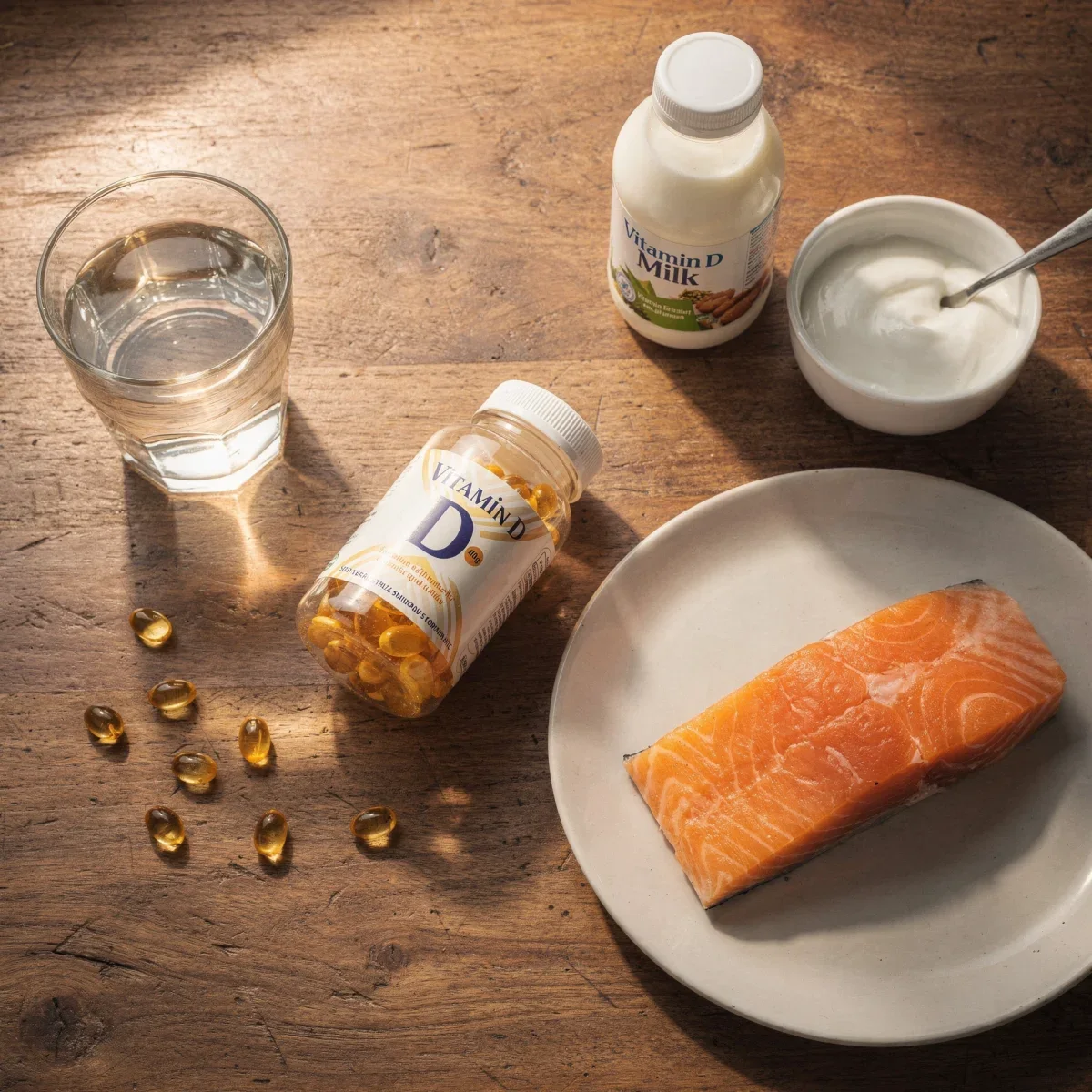
When the clocks turn back and daylight begins to vanish by late afternoon, staying energized can feel like an uphill battle. If you find yourself dragging through the season, paying attention to your vitamin D in darker months is one of the smartest wellness steps you can take. Here is everything you need to understand about how sunlight changes affect your body and what you can do to keep your levels steady.
Advertisements
Why Sunlight Drops Impact Your Vitamin D Levels
Your body produces vitamin D naturally when your bare skin absorbs ultraviolet B (UVB) rays from the sun. During late fall and winter, the sun sits lower in the sky across much of the United States. If you live anywhere north of the line connecting San Francisco to Richmond, Virginia (around the 37th parallel), the winter atmosphere scatters most UVB rays before they ever reach the ground.
Spending more time indoors bundled under coats and scarves also reduces the amount of skin exposed to natural light. Over several weeks, stored levels of the vitamin can decline, which may leave you feeling sluggish or more prone to seasonal sniffles.
How Much Vitamin D Do You Actually Need?
Mainstream health guidelines from the National Institutes of Health (NIH) offer clear baseline targets for daily intake across different age groups. While these numbers provide a solid starting point, individual requirements can vary based on your diet, skin tone, and overall lifestyle.
| Age Group | Recommended Daily Allowance (RDA) | Daily Upper Limit |
|---|---|---|
| Infants (0–12 months) | 400 IU (10 mcg) | 1,000–1,500 IU |
| Children & Adults (1–70 years) | 600 IU (15 mcg) | 4,000 IU |
| Adults (71+ years) | 800 IU (20 mcg) | 4,000 IU |
A simple routine blood test ordered by your primary care provider measures 25-hydroxyvitamin D. Most doctors consider levels between 30 and 50 ng/mL optimal for bone density, muscle function, and immune defense.
Best Ways to Support Your Vitamin D in Darker Months
Because relying on the sun is rarely enough during late autumn and winter, building a proactive plan helps bridge the seasonal gap. Here are three practical approaches to maintaining your numbers:
- Focus on Nutrient-Dense Foods: Add fatty fish like wild salmon, canned tuna, and rainbow trout to your weekly dinner rotation. Fortified items from your local grocery store, including milk, plant-based milks, orange juice, and breakfast cereals, also supply a steady boost.
- Consider a Quality D3 Supplement: Over-the-counter vitamin D3 (cholecalciferol) is generally more effective at raising blood concentrations than vitamin D2. Look for third-party tested brands at retailers like Target, Amazon, or your neighborhood pharmacy.
- Pair with Healthy Fats: Because vitamin D is fat-soluble, your body absorbs it far better when you take it alongside a meal containing healthy fats, such as avocado toast, eggs, or a handful of almonds.
Quick Takeaways
- Winter sun angles across northern U.S. latitudes prevent effective natural vitamin D synthesis from October through March.
- Adults generally need 600 to 800 IU daily, though your doctor may recommend more based on your specific lab results.
- Combining fortified foods, fatty fish, and a daily D3 supplement taken with a meal ensures consistent absorption.
Frequently Asked Questions
Can I get vitamin D by sitting next to a sunny window in winter?
Standard window glass blocks virtually all UVB radiation needed for vitamin D synthesis. While sitting in sunlit rooms can lift your mood, it will not increase your blood vitamin D levels during the colder seasons.
Should I get a blood test before starting a supplement?
A baseline blood test helps your doctor recommend the exact dosage you need. While modest over-the-counter doses are generally safe for healthy adults, targeted testing prevents taking too little or exceeding safe upper limits.
What is the best time of day to take vitamin D?
Taking your supplement with your largest meal of the day—whether breakfast, lunch, or dinner—maximizes absorption. Consistency matters more than the specific hour, so choose a time that fits seamlessly into your daily routine.
Taking care of your vitamin D in darker months is a simple yet powerful habit that supports your energy, bone health, and immune system when natural sunlight is scarce. If you want to optimize your winter wellness plan, ask your healthcare provider about checking your levels at your next checkup.
This article is for informational purposes only and is not a substitute for professional medical advice. Talk to your doctor before making changes to your health routine.